New Zealand’s
Silver Fern
The story behind the fern
For generations, the Silver Fern has carried deep meaning in New Zealand.
New Zealand’s indigenous people, Māori, used the ponga (silver fern) as a practical and powerful wayfinding guide. It was an early symbol of ingenuity and connection to the land.
Māori hunters and warriors would turn the fern fronds to reveal their silver underside. In moonlight, the leaves caught the light and helped mark a path through dense forest.
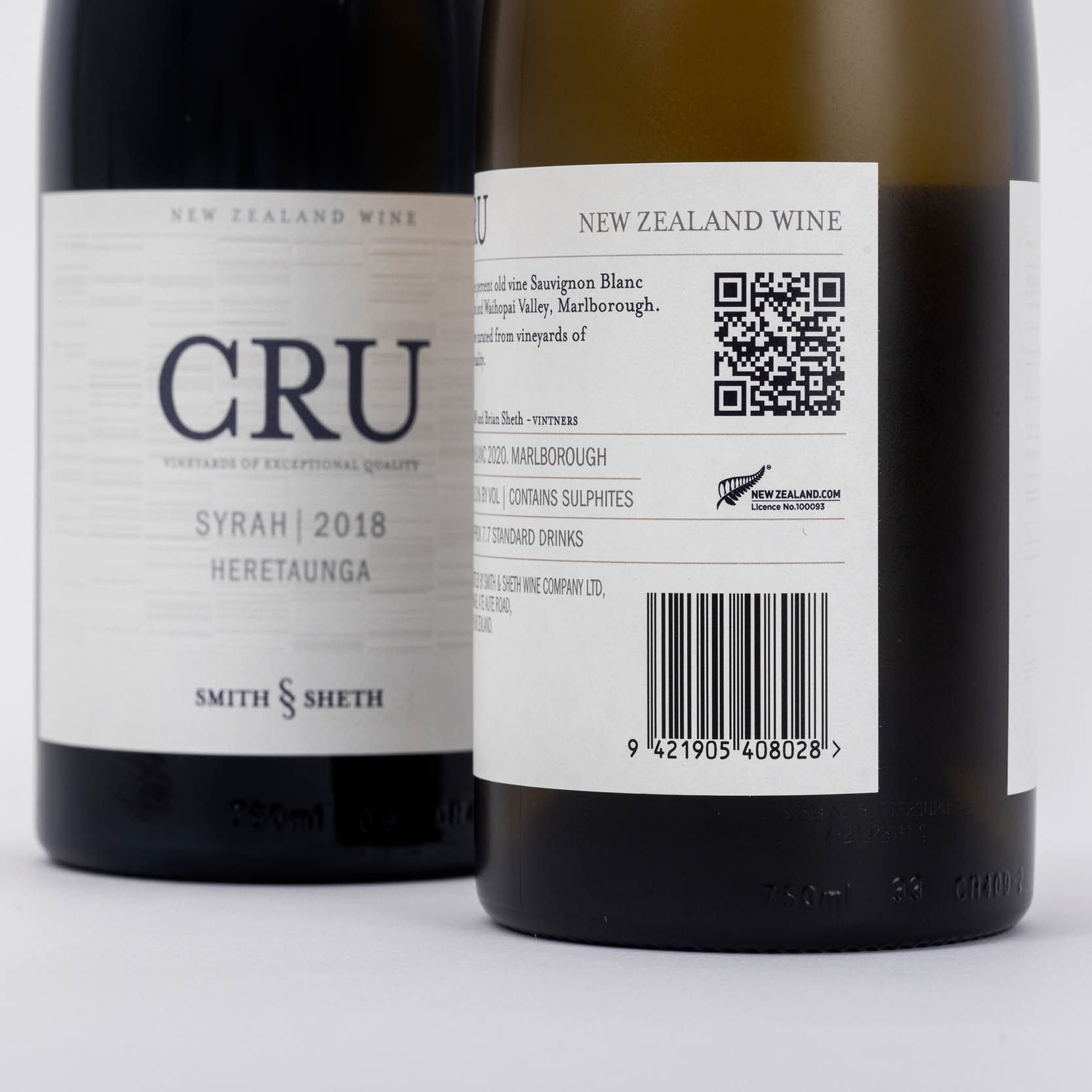
Over time, the Silver Fern became a proud national emblem - worn by sporting teams, used in military insignia, and seen across New Zealand products, services, and experiences. It also underpins the FernMark, a country-of-origin accreditation to help people worldwide recognise New Zealand origin at a glance.

c.1300s
MĀORI INGENUITY
Māori used the silver underside of the fern leaf to catch the moonlight and illuminate their way through the bush at night.
1893
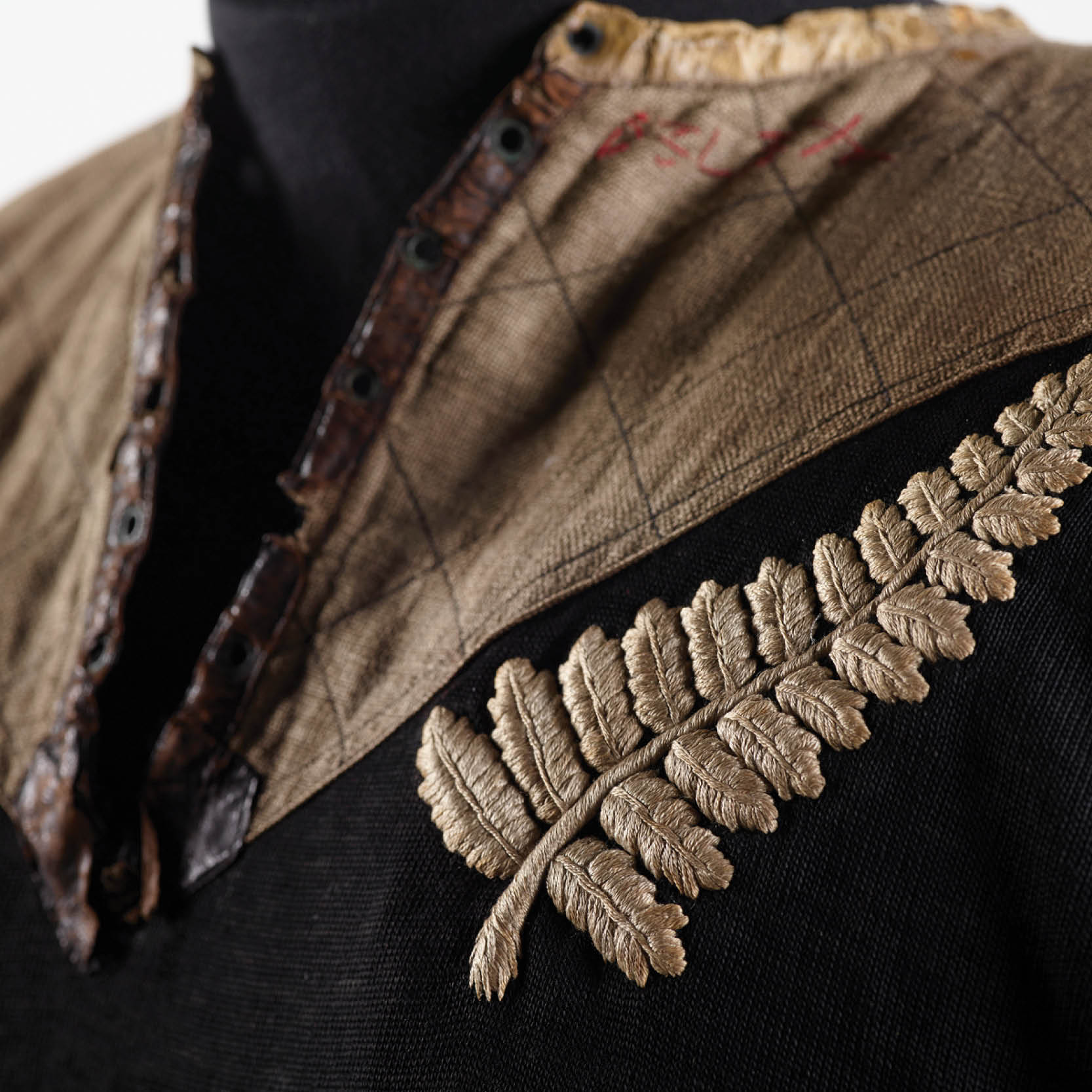
SPORTING greats
Since the 1800s the Silver Fern has become a proud symbol worn by national sporting teams.
Sporting greats: A jersey worn by the ‘Originals’ New Zealand rugby team (the All Blacks) in 1905–06, showing the silver fern prominently positioned. Photo by Mike O’Neill. Te Papa. Courtesy of New Zealand Rugby.

1898
HONOUR
Worn by our military since 1898. The fern also adorns the headstones of our fallen soldiers.
Cap badge, 6th (Manawatu) Mounted Rifles, circa 1916, maker unknown. Te Papa (GH017819/7)
1956
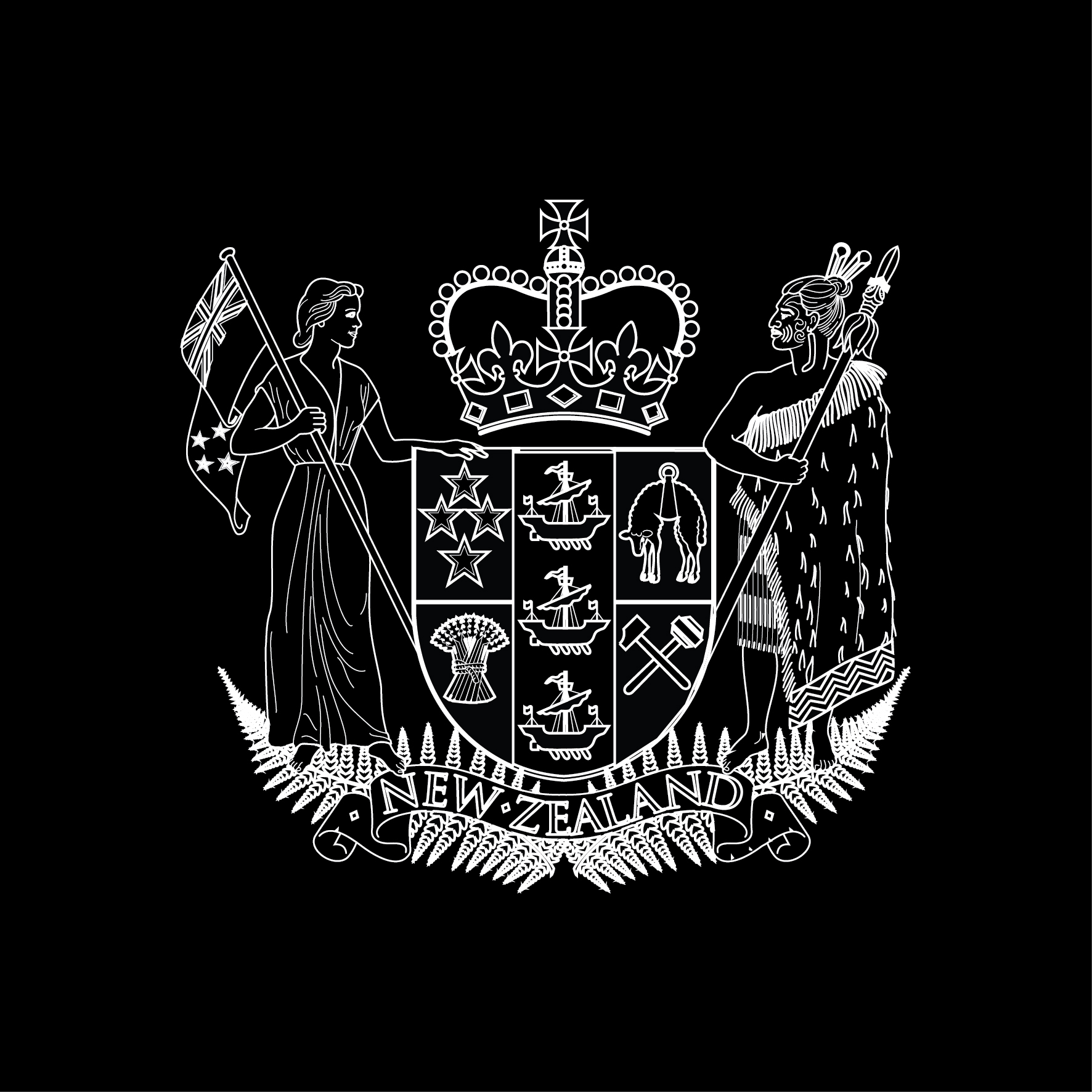
COAT OF ARMS
New Zealand’s coat of arms shows the fern among official national emblems.

1990s
NATIONal SYMBOL
The FernMark was developed by the government to create a single visual identity for New Zealand.

2000s
MARK OF TRUST
The FernMark is used for the government backed country-of-origin accreditation programme.

Speaker Name
FernMark: an iconic mark of trust
When you see the FernMark, it’s a quick way to buy with confidence. The FernMark is being used in line with strict guidelines giving you assurance of authenticity and provenance.
New Zealand is consistently ranked among the world’s most trusted country brands - known for integrity and high-quality production. Look for the FernMark and choose New Zealand.